828 NE A St, Grants Pass, OR 97526


Feeling nervous about sitting in the dental chair? You are not alone. Many adults in Grants Pass avoid the dentist for years because of anxiety or fear. Sedation dentistry changes that experience completely. Understanding your first sedated dental exam — what happens every step in Grants Pass — can help you walk through our door with confidence. Dr. Blake Anderson and the team at A Street Dental Grants Pass are here to guide you through every moment.
What Is Sedation Dentistry and Who Is It For?
Sedation dentistry uses medication to help patients relax during dental procedures. It is not the same as being fully unconscious. Most patients remain aware but feel calm and comfortable throughout the visit.
Sedation is a great option for patients who experience dental anxiety or phobia. It also helps people with a strong gag reflex or those who need multiple procedures done in one visit. If you have avoided the dentist for years, sedation can make your first visit much easier.
At A Street Dental Grants Pass, we offer sedation options tailored to your comfort level. Dr. Blake Anderson will review your health history before recommending any sedation type. Your safety and comfort always come first.
Before Your Sedated Exam: What to Expect at Check-In
Your sedated dental exam starts well before you open your mouth. When you arrive, our front desk team will greet you warmly and confirm your paperwork. We will review your medical history, current medications, and any allergies.
Here is what happens during the pre-exam process:
- Our team reviews your completed health history forms
- A staff member takes your blood pressure and checks your vitals
- Dr. Anderson reviews your sedation options with you
- You receive the sedation medication and have time to relax
- A designated driver is confirmed, since sedation affects your ability to drive
This preparation phase usually takes about 15 to 30 minutes. We want you to feel completely settled before anything else happens. Our team answers every question without rushing you.
During the Exam: What Your Hygienist and Dr. Anderson Each Check
Once you are relaxed from the sedation, your hygienist begins the clinical portion of your visit. This is the step-by-step process most patients are curious about. Each part of the exam has a specific purpose.
Your hygienist starts by taking dental X-rays if you are due for them. These images reveal issues hidden beneath the gum line or between teeth. They also help Dr. Anderson spot early signs of decay or bone loss.
Next, the hygienist performs a thorough cleaning. This process includes:
- Removing plaque and tartar buildup above and below the gum line
- Flossing between every tooth to clear debris
- Polishing the tooth surfaces to remove surface stains
- Checking pocket depths around each tooth to assess gum health
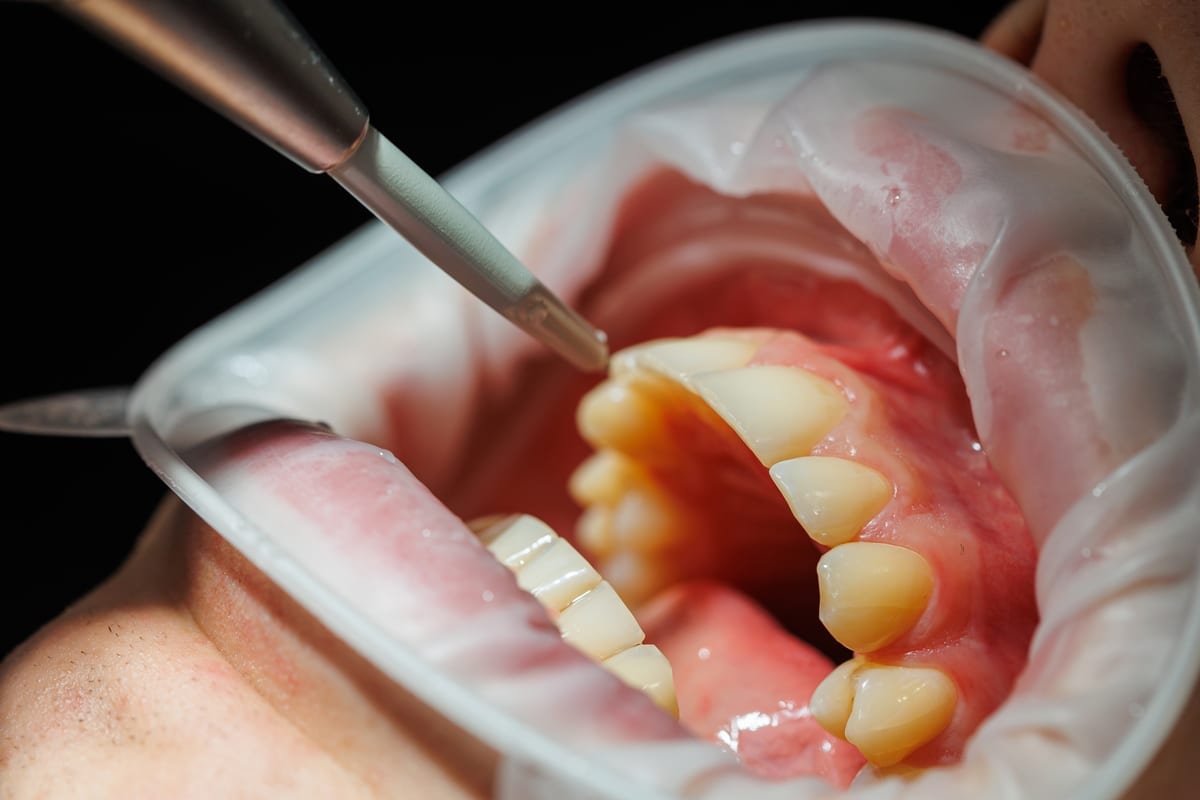
After the cleaning, Dr. Blake Anderson steps in for the full clinical exam. He checks every tooth for signs of decay, cracks, or wear. He also examines your bite, jaw joints, and soft tissues for anything unusual. If any concerns arise, he explains them clearly before suggesting next steps.
Addressing What We Find: From Simple Fixes to Bigger Concerns
Sometimes a routine exam reveals issues that need attention. This is not something to fear — catching problems early almost always means simpler treatment. Dr. Anderson walks you through every finding in plain language.
Minor decay may only need a small filling or dental bonding to restore the tooth. More significant damage might call for a dental crown to protect the tooth structure. In cases where a tooth cannot be saved, Dr. Anderson may discuss tooth extraction and replacement options like Dental Implants Grants Pass.
Gum disease is another common finding during routine exams. If your hygienist notices signs of infection or significant bone loss, Dr. Anderson may recommend periodontal care. Treating gum disease early prevents it from affecting your overall health.
In some cases, a patient arrives with an urgent issue like a broken tooth or severe pain. Our practice also offers Emergency Dentistry Grants Pass for situations that cannot wait. Sedation can make emergency visits far more manageable for anxious patients.
After Your Sedated Exam: Recovery and Next Steps
After your exam is complete, the sedation will still be working in your system. You will rest comfortably in the chair for a short time before being helped to the waiting area. Your driver will take you home safely.
Most patients feel drowsy for a few hours after sedation. You should plan to relax for the rest of the day and avoid operating heavy machinery. Eating a light meal before your appointment also helps reduce any nausea.
Before you leave, our team provides a full summary of your exam findings. We outline any recommended treatments and discuss a timeline that works for you. There is never any pressure — you make decisions at your own pace.
Why Grants Pass Patients Choose A Street Dental for Sedated Exams
A Street Dental Grants Pass combines clinical expertise with genuine compassion. Dr. Blake Anderson has helped many anxious adults take that important first step toward better oral health. Our entire team is trained to make nervous patients feel safe and respected.
We offer a full range of services under one roof. Whether you need a simple cleaning or a complete smile restoration, we are equipped to help. Patients from across Grants Pass and the surrounding area trust our practice for consistent, caring dental care.
Taking care of your teeth does not have to be stressful. With the right support and sedation options, your first sedated dental exam can actually be a positive experience. Book Now to schedule your appointment with our team.
Frequently Asked Questions
Is sedation dentistry safe for my first dental exam?
Yes, sedation dentistry is very safe when administered by a trained provider. Dr. Blake Anderson reviews your health history before recommending any sedation option. Your vitals are monitored throughout the entire appointment for your safety.
Will I be completely unconscious during my sedated exam?
Most types of dental sedation do not cause complete unconsciousness. You will likely feel deeply relaxed and may not remember much of the visit. General anesthesia is a separate option and is only used for more complex procedures.
How long does a first sedated dental exam usually take?
A typical sedated exam with cleaning takes between 60 and 90 minutes. The time varies depending on how much buildup needs to be removed and how many X-rays are taken. Dr. Anderson will give you a more specific estimate at your consultation.
Can I eat before my sedated dental appointment?
This depends on the type of sedation you receive. For some sedation methods, you may be asked to avoid eating for several hours beforehand. Dr. Anderson’s team will give you specific instructions when you book your appointment.
What if the exam reveals I need more dental work?
Dr. Anderson will explain every finding in clear, simple terms after your exam. He will outline your options and let you decide on a treatment timeline without pressure. Many treatments can also be completed with sedation for added comfort.