828 NE A St, Grants Pass, OR 97526

If you’ve been told you need a root canal, you’re probably worried. Most patients imagine pain, long appointments, and a difficult recovery. The truth about root canal reality — what you’ll actually feel at each step in Grants Pass — is far less dramatic than the myths suggest. Dr. Blake Anderson at A Street Dental Grants Pass wants you to feel informed and calm before you ever sit in the chair.
Modern dentistry has changed this procedure completely. With better anesthesia, smaller instruments, and experienced hands, most patients say it feels similar to getting a filling. Let’s walk through every stage so there are no surprises.
Step One: Numbing Up — What Root Canal Patients Actually Feel First
The very first thing Dr. Anderson does is apply a topical numbing gel to your gum. This gel sits for a minute or two before anything else happens. You’ll feel a slight pressure from the cotton applicator, but no sharpness at all.
Next comes the local anesthetic injection. This is the moment most people dread. You may feel a brief pinch, then mild pressure as the anesthetic spreads. Within 60 to 90 seconds, the area goes completely numb.
Once the tooth is numb, you should feel no pain during the procedure. Dr. Anderson always checks thoroughly before moving forward. If you still feel sensitivity, he simply adds more anesthetic. Your comfort is the priority at this stage.
- Topical gel removes the sting of the injection
- Local anesthetic takes effect within 90 seconds
- You control the pace — just raise your hand if you need a break
- Additional anesthetic is always available if needed
Step Two: Accessing the Tooth and Removing the Infected Pulp
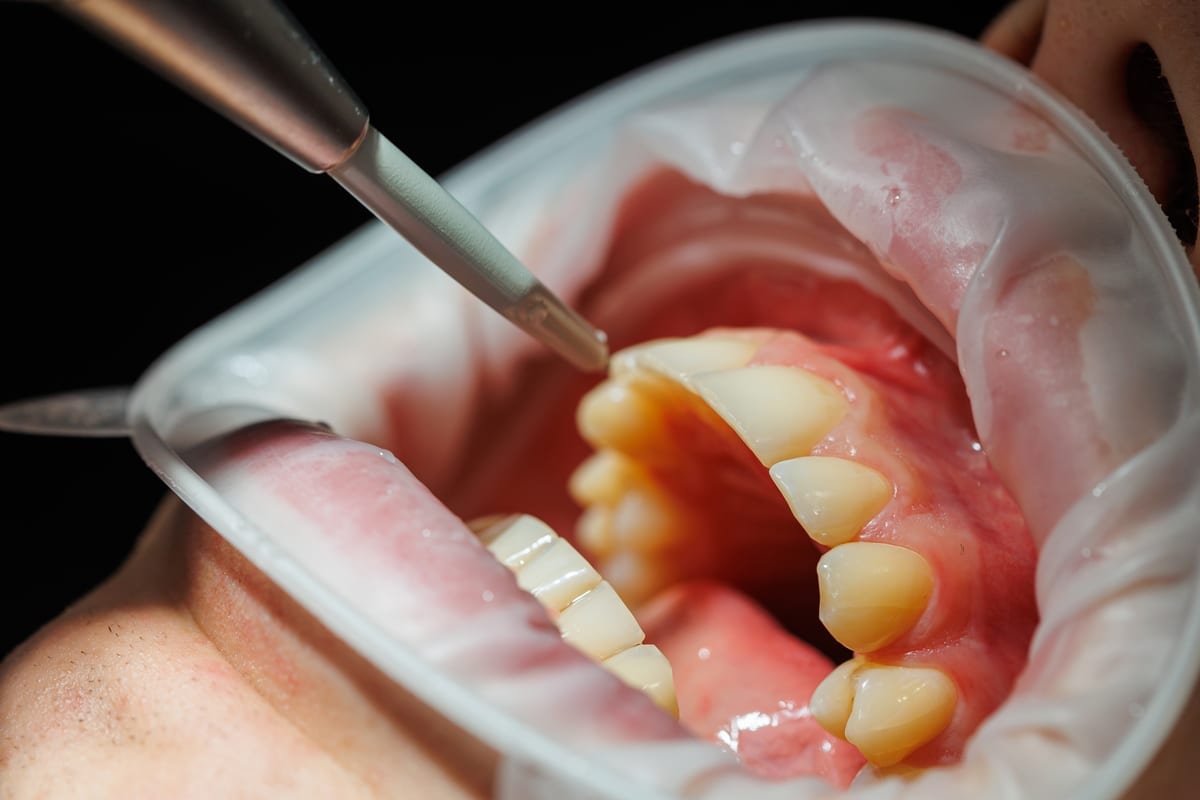
Once you’re fully numb, Dr. Anderson places a small rubber dam around the tooth. This keeps the area clean and dry throughout the procedure. You’ll feel it snug around the tooth, but it doesn’t cause discomfort.
He then uses a small drill to create an opening in the top of the tooth. Because you’re numb, you’ll feel vibration and hear the instrument — but no pain. Many patients are surprised by how normal this part feels.
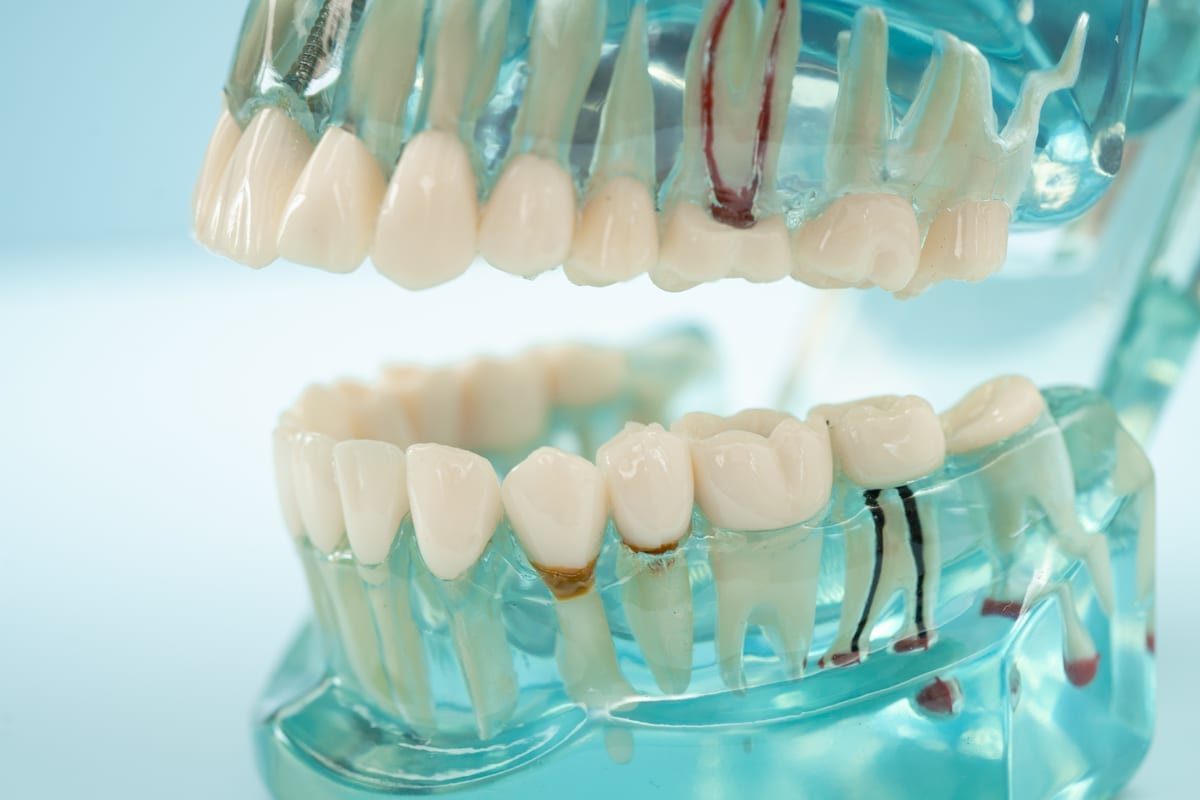
Through that small opening, Dr. Anderson carefully removes the infected pulp tissue inside the tooth. Tiny, flexible instruments clean out the root canals one by one. You may feel slight pressure as each canal is shaped, but nothing sharp or painful.
This stage takes the longest, typically 30 to 60 minutes. Some patients actually relax or doze off during this part. The sound of instruments and the water spray are the most noticeable sensations.
Step Three: Cleaning, Shaping, and Sealing the Canals
After removing the pulp, Dr. Anderson rinses the canals thoroughly with an antibacterial solution. This rinse removes bacteria and any remaining debris. You won’t feel the rinse itself — your tooth is still fully numb at this point.
Next, he shapes each canal using progressively larger instruments. This creates a smooth path for the filling material. Shaping is precise, methodical work. You’ll notice some vibration but nothing uncomfortable.
The canals are then filled with a rubber-like material called gutta-percha. This material seals the space completely to prevent reinfection. A dental sealer bonds it firmly in place. The filling process itself takes only a few minutes per canal.
- Antibacterial rinse eliminates remaining bacteria
- Canal shaping ensures a clean, even space for filling
- Gutta-percha is biocompatible and long-lasting
- Sealing the canal prevents future bacterial entry
- X-rays confirm the fill is complete before you leave
What to Expect After the Procedure — Recovery in Grants Pass
When the anesthetic wears off, you may notice some soreness around the treated tooth. This is completely normal and usually mild. Over-the-counter pain relievers like ibuprofen manage it well for most patients.
Sensitivity tends to peak in the first 24 to 48 hours, then gradually decreases. Your jaw may feel tired from being open during the appointment. This fades within a day or two. Most patients return to work or normal activities the very next day.
Dr. Anderson will place a temporary or permanent filling before you leave. A dental crown is usually recommended to protect the treated tooth long term. Your team will schedule that follow-up appointment before you head home.
If you experience severe or worsening pain after 48 hours, contact A Street Dental right away. That kind of pain is unusual and worth a quick check. The team offers Emergency Dentistry Grants Pass patients can rely on for urgent concerns outside regular hours.
Tips for Making Your Root Canal Appointment Easier
Feeling anxious before a dental procedure is completely normal. Dr. Anderson and the team at A Street Dental Grants Pass understand dental anxiety deeply. They take extra time to explain each step before it happens. You’ll never be rushed or left wondering what comes next.
If your anxiety runs deeper than nerves, ask about Sedation Dentistry Grants Pass options. Sedation allows patients to stay relaxed and comfortable throughout the entire procedure. Many patients who use sedation report remembering very little of the appointment. It’s a genuinely effective option for those who struggle with dental fear.
A few simple habits also help before your appointment. Eat a light meal beforehand so you’re not hungry during a long visit. Bring headphones and listen to music or a podcast. Let the team know about any specific concerns — they adjust their approach for each patient.
Frequently Asked Questions
Does a root canal hurt during the procedure?
No — most patients feel little to no pain during a root canal. Local anesthetic numbs the tooth completely before treatment begins. You may feel pressure or vibration from instruments, but not sharpness. Dr. Anderson adds more anesthetic if you feel any discomfort at any point.
How long does a root canal appointment take at A Street Dental Grants Pass?
Most root canals at A Street Dental Grants Pass take between 60 and 90 minutes. Complex cases with multiple canals may take slightly longer. Dr. Anderson works efficiently without ever rushing. You’ll know the estimated time before the appointment begins.
Will I need time off work after a root canal?
Most patients return to work the same day or the following morning. Mild soreness is common, but it rarely prevents normal activity. Avoid hard or crunchy foods for a day or two after treatment. If your job involves physical labor, a day of rest is a reasonable precaution.
What happens if I delay getting a root canal?
Delaying treatment allows the infection to spread beyond the tooth. This can lead to abscess formation, bone loss, or the need for extraction. The sooner treatment happens, the better the outcome. A tooth saved by a root canal can last a lifetime with proper care.
Is a crown always needed after a root canal?
A crown is strongly recommended for most back teeth after root canal treatment. These teeth take the most chewing force and need extra protection. Front teeth sometimes only need a filling, depending on how much natural tooth structure remains. Dr. Anderson will explain exactly what your tooth needs before you leave.
Root canals have an undeserved reputation, and Dr. Blake Anderson wants to change that one patient at a time. The procedure is straightforward, manageable, and often the best way to save a tooth you’d otherwise lose. If you’ve been putting off treatment because of fear, let this be the nudge you needed. Book Now to schedule your appointment with our team.