828 NE A St, Grants Pass, OR 97526


If your gums bleed when you brush, feel tender, or look like they’re pulling away from your teeth, you might be wondering what’s going on. Is periodontal care right for your gums? Here’s how we decide in Grants Pass — by taking a close look at your specific situation. At A Street Dental Grants Pass, Dr. Blake Anderson uses a thorough, personalized evaluation to understand the health of your gums before recommending any treatment. There’s no guesswork involved, and there’s nothing to be nervous about.
What Is Periodontal Care and Who Needs It?
Periodontal care refers to the prevention, diagnosis, and treatment of gum disease. It covers everything from early-stage gingivitis to more advanced periodontitis. Gum disease is far more common than most people realize. In fact, it affects nearly half of adults over age 30 in the United States.
You might be a candidate for periodontal treatment if you experience any of the following:
- Bleeding or swollen gums during brushing or flossing
- Persistent bad breath that doesn’t go away
- Gums that appear to be receding from your teeth
- Loose teeth or teeth that feel like they’ve shifted
- Sensitivity near the gumline
- Visible buildup of tartar along the gumline
These signs don’t always mean you have severe gum disease. But they do mean your gums deserve a professional evaluation. Catching problems early leads to simpler, more effective treatment.
How Dr. Anderson Evaluates Your Gum Health in Grants Pass
The evaluation process is comfortable and straightforward. Dr. Anderson and our team gather information from multiple sources to get the full picture of your gum health. This careful approach helps us decide whether periodontal care is the right fit for you — and which type of care makes the most sense.
Here’s what your evaluation typically involves:
- Periodontal probing: We use a small, painless tool to measure the pocket depth between your teeth and gums. Healthy pockets measure 1–3 millimeters. Deeper pockets can signal gum disease progression.
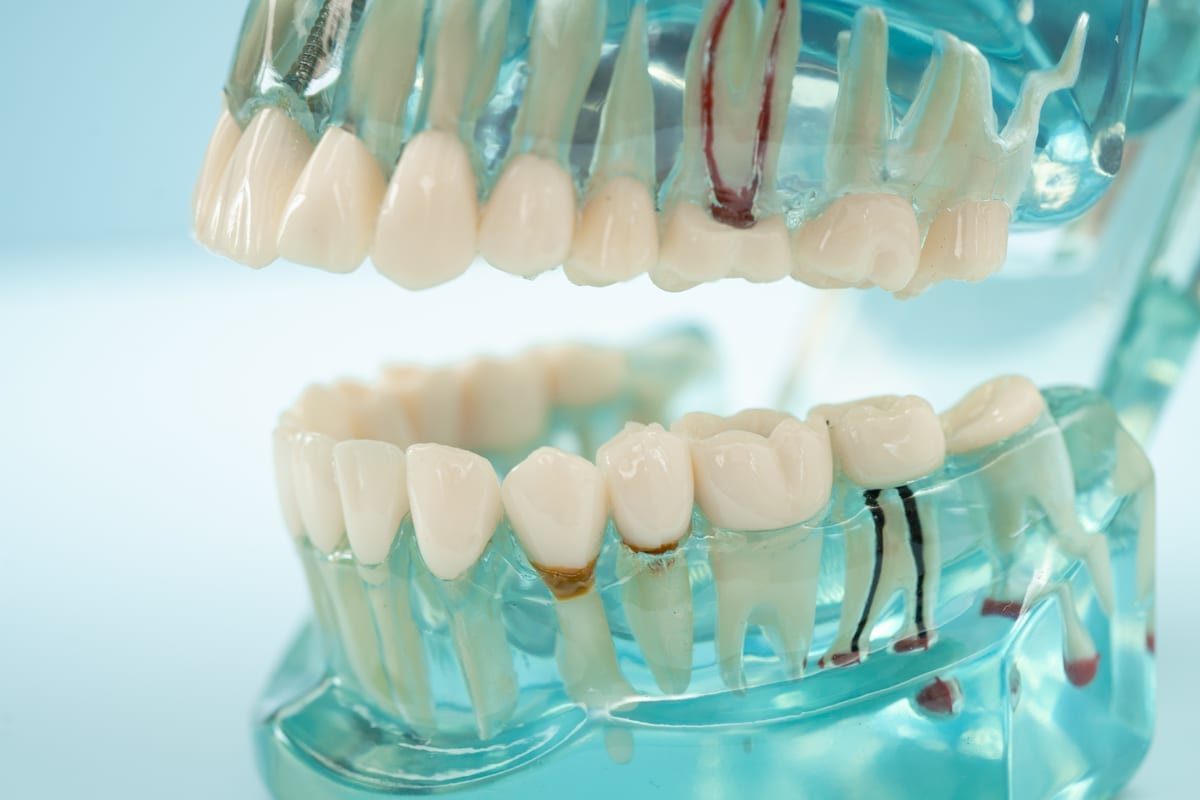
- Digital X-rays: These help us assess bone levels beneath the gumline. Bone loss is a key indicator of advanced periodontal disease.
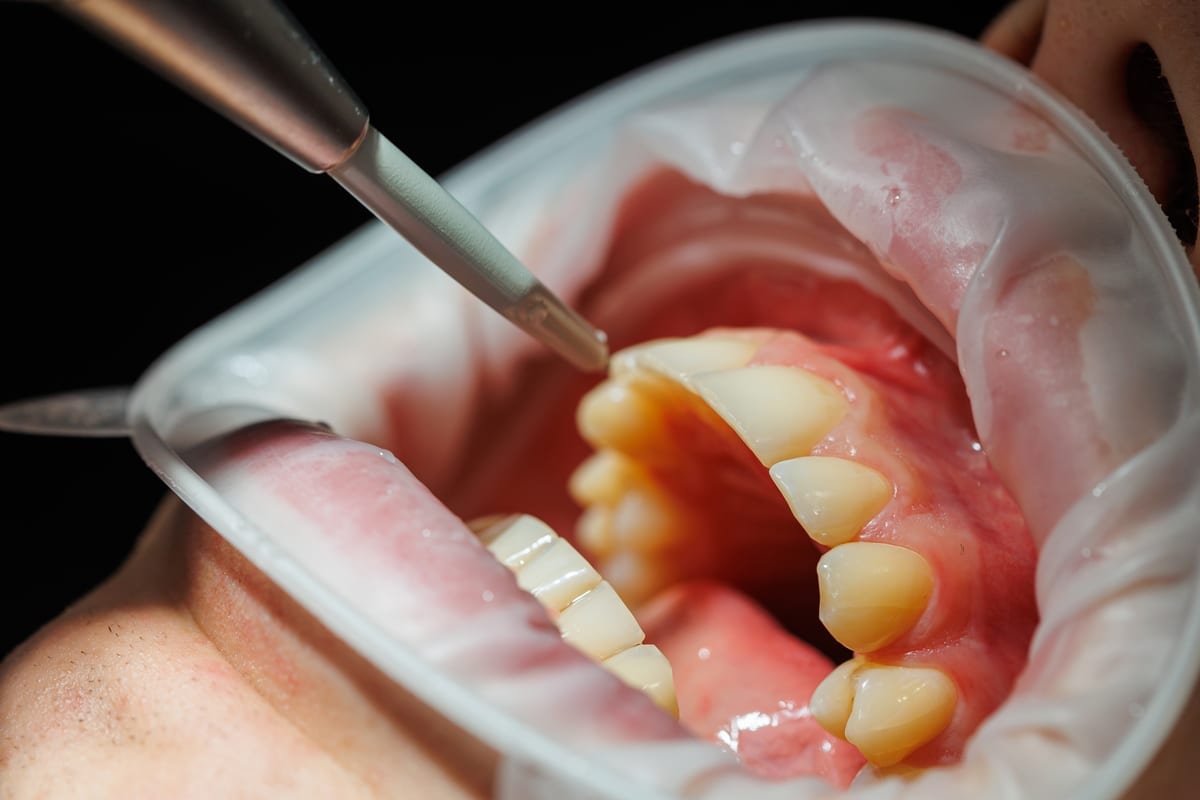
- Visual examination: We look closely at the color, texture, and position of your gum tissue. Healthy gums appear pink and firm — not red or puffy.
- Medical and dental history review: Certain health conditions and habits can affect gum health significantly. We want to understand your full picture.
All of this information comes together to guide our recommendation. We never suggest treatment you don’t need, and we always explain our findings clearly before moving forward.
Key Factors That Determine the Best Periodontal Approach
Not everyone with gum concerns needs the same level of care. Several factors shape the treatment plan we recommend for each patient in Grants Pass. Understanding these factors helps you feel more informed about your own oral health decisions.
Stage of gum disease: Early gingivitis often responds well to a professional cleaning and improved home care. More advanced periodontitis may require scaling and root planing, which is a deep cleaning procedure that reaches below the gumline.
Overall health: Conditions like diabetes, heart disease, and autoimmune disorders can make gum disease worse and harder to manage. We factor your general health into every recommendation we make.
Smoking or tobacco use: Tobacco slows healing and significantly increases the risk of gum disease. Patients who smoke may need more frequent care and monitoring.
Home care habits: How consistently you brush, floss, and care for your teeth at home plays a major role in how gum disease progresses — or improves.
Some patients feel anxious about any type of dental procedure. If that sounds like you, ask us about Sedation Dentistry Grants Pass to help make your visit as comfortable as possible.
What Periodontal Treatment Actually Looks Like
Once we’ve completed your evaluation, we’ll walk you through your options. Periodontal care doesn’t have to feel overwhelming or intimidating. It’s simply a series of steps designed to restore your gum health and keep it there.
Common periodontal treatments we offer at A Street Dental Grants Pass include:
- Prophylaxis (routine cleaning): Ideal for patients with mild gum concerns or early-stage gingivitis
- Scaling and root planing: A deeper cleaning that removes bacteria and buildup from below the gumline
- Periodontal maintenance visits: Scheduled more frequently than standard cleanings to keep gum disease from returning
- Antibiotic therapy: Sometimes used alongside deep cleaning to help eliminate stubborn bacterial infection
After active treatment, we typically place patients on a periodontal maintenance schedule. These visits are more frequent than standard checkups. They help us monitor your progress and catch any early signs of recurrence.
Gum disease, when left untreated, can contribute to tooth loss and other serious health concerns. If you’ve already experienced tooth loss due to gum disease, options like Emergency Dentistry Grants Pass and restorative care may also be part of your overall treatment journey.
What to Expect After Periodontal Treatment
Recovery after periodontal treatment is usually mild and manageable. Most patients experience some sensitivity and minor soreness for a few days. Over-the-counter pain relief is typically all that’s needed.
Your gums will gradually become healthier with proper follow-up care. Many patients notice that their gums bleed less, feel less tender, and look healthier within just a few weeks. These are all signs that treatment is working.
Consistency is key after periodontal care. Keeping up with your scheduled maintenance visits and your home hygiene routine makes a significant difference in long-term outcomes. Dr. Anderson and our team will give you clear, personalized guidance for caring for your gums at home.
Frequently Asked Questions
How do I know if I have gum disease?
Common signs include bleeding gums, persistent bad breath, swollen or red gum tissue, and gums that appear to be pulling away from your teeth. The only way to confirm a diagnosis is through a professional evaluation with X-rays and periodontal probing.
Is periodontal treatment painful?
Most patients find periodontal treatment very manageable. We use local anesthesia during deep cleaning procedures to keep you comfortable. Any soreness afterward is typically mild and short-lived.
How long does periodontal treatment take?
It depends on the severity of your gum disease. Early-stage gingivitis may be addressed in a single cleaning visit. More advanced cases may require two or more appointments for scaling and root planing, followed by ongoing maintenance visits.
Can gum disease come back after treatment?
Yes, gum disease can recur — especially without consistent home care and regular maintenance visits. That’s why Dr. Anderson recommends a personalized maintenance schedule after active treatment to help keep your gums healthy long-term.
Does gum disease affect my overall health?
Research links periodontal disease to a number of systemic health conditions, including heart disease, diabetes, and respiratory issues. Treating gum disease isn’t just about protecting your teeth — it’s about supporting your overall well-being.
Your gum health matters more than most people realize, and getting the right evaluation is the first step. If you’ve been noticing signs of gum disease or simply haven’t had your gums assessed recently, we’re here to help. Book Now to schedule your appointment with our team.