828 NE A St, Grants Pass, OR 97526

What Are Composite Fillings?
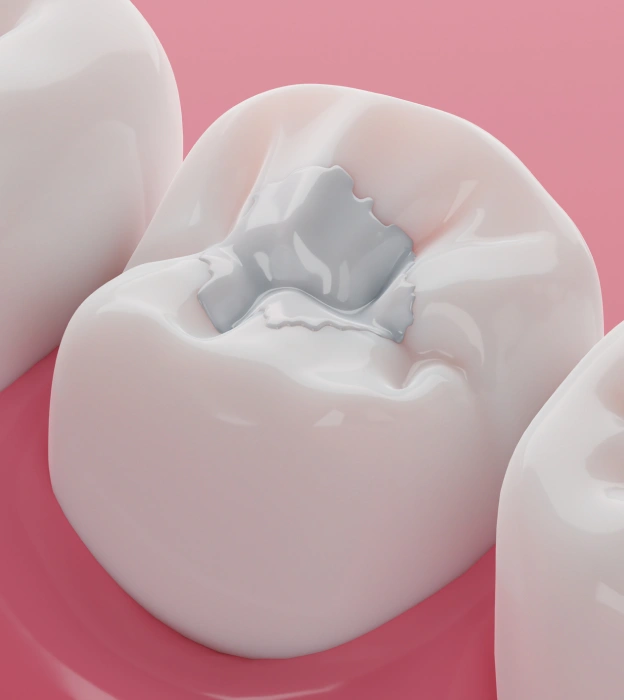
A composite filling is a tooth-colored resin used to repair a tooth affected by decay, a small chip, or minor cracking. Unlike older metal fillings, composite resin is shaded to match your natural tooth color and bonds directly to the tooth structure, so once it's placed, it's difficult to tell it's there at all. The material is applied in layers, shaped to match the natural contour of the tooth, and hardened with a curing light before being polished smooth.
Composite fillings have become the standard choice for most cavities and minor tooth repairs, in large part because they don't require removing as much healthy tooth structure as older filling materials often did. At A Street Dental in Grants Pass, we use composite fillings for patients throughout Southern Oregon, including Josephine County, Myrtle Creek, Canyonville, Selma, and communities along the coast, dealing with everything from a first cavity to a chipped tooth from an old injury.
Schedule a Consultation
Benefits of Composite Fillings
Composite fillings have become the standard choice for most cavities and minor tooth repairs, and for good reason. Here's what makes them a strong option:
- Natural Appearance: Shaded to match your natural tooth color, composite fillings blend in rather than standing out the way older metal fillings do.
- Preserves More Tooth Structure: Because composite resin bonds directly to the tooth, placement typically requires removing less healthy tooth structure than older filling materials.
- Mercury-Free: Unlike amalgam fillings, composite resin doesn't contain mercury, which is a common reason patients choose it.
- Versatile: Beyond treating cavities, composite can also repair small chips, cracks, and even close minor gaps between teeth.
- Completed in a Single Visit: Composite fillings are shaped and hardened right in the office, so most patients are in and out in one appointment with no lab wait involved.
When You Might Need a Composite Filling
A composite filling can address a range of common issues beyond a simple cavity. The most frequent reason is a new cavity, catching and treating decay before it has a chance to spread further into the tooth. Composite resin also works well for rebuilding a small chip or crack, restoring both the shape and function of the tooth, and in some cases it can be used to close small gaps between teeth for a more even smile. It's also a common choice for patients looking to replace an older amalgam filling that's worn down, cracked, or simply not something they want visible anymore.
Making Your Composite Filling Last
A composite filling is durable, but a few habits can help it hold up for as long as possible:
- Limit foods and drinks that stain easily, like coffee, tea, and red wine, since composite resin can pick up discoloration over time.
- Avoid chewing on very hard objects, like ice or pens, which can chip the filling.
- Keep up with regular brushing, flossing, and checkups so we can catch any wear or edge staining early.
- Let us know if the filling ever feels rough, sharp, or different when you bite down, since a quick polish or adjustment can usually fix it.
Ready to Treat a Cavity or Repair a Chipped Tooth?
Whether you're due for a routine filling or want to replace an old metal one, we'll get you in quickly and make the process as comfortable as possible. Reach out to our team today, and we'll find a time that works for you.
Schedule Your Visit Online