Summer offer · Single dental implant from $4,500 · Click here to learn more

5 Warning Signs You’ve Waited Too Long for Dental Implants

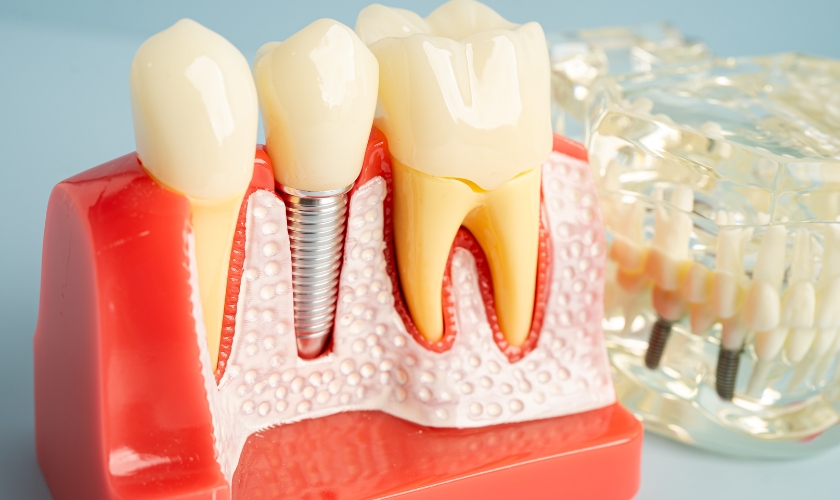
Missing teeth might seem like a minor inconvenience at first. Many patients in Grants Pass tell us they planned to address their tooth loss eventually. But eventually often turns into months or years. If you’re reading this, you may already suspect something is wrong. Understanding the 5 warning signs you’ve waited too long for dental implants in Grants Pass can help you take action before more damage occurs.
Dr. Blake Anderson and our team at A Street Dental Grants Pass see these situations regularly. The good news is that recognizing these signs gives you the opportunity to act now. Let’s explore what your body might be telling you about your oral health.
Sign 1: Your Jawbone Feels Different or Looks Sunken
Your jawbone needs stimulation from tooth roots to maintain its density. When a tooth goes missing, that stimulation disappears. The bone begins to resorb, or break down, within months of tooth loss.
You might notice your face looks different. The area around missing teeth may appear sunken or hollow. Your chin might seem closer to your nose than before. These changes happen gradually, making them easy to miss at first.
Significant bone loss complicates dental implant placement. Your jaw may no longer have enough bone to support an implant securely. While bone grafting procedures can help, they add time and complexity to your treatment.
Here’s what accelerates bone loss after tooth extraction:
- Wearing ill-fitting dentures that put pressure on gums
- Leaving extraction sites untreated for extended periods
- Multiple missing teeth in the same area
- Underlying gum disease or infection
Sign 2: Your Remaining Teeth Are Shifting Position
Teeth naturally want to fill empty spaces. When you lose a tooth, the neighboring teeth begin drifting toward the gap. This process starts sooner than most patients realize.
You might notice gaps appearing between teeth that once sat tightly together. Your bite may feel different when you chew. Some patients report that their teeth no longer line up properly when they close their mouth.
Shifting teeth create a domino effect of dental problems. They become harder to clean, increasing your risk of decay and gum disease. Preventive Dentistry becomes more challenging when teeth overlap or create awkward angles.
Signs your teeth have shifted significantly include:
- Food getting stuck in new places between teeth
- Increased sensitivity in teeth near the gap
- Visible tilting of adjacent teeth
- Changes in how your upper and lower teeth meet
Once teeth shift substantially, you may need orthodontic treatment before implant placement. This adds months to your treatment timeline.
Sign 3: Difficulty Chewing Has Changed Your Diet
Pay attention to how you eat. Have you stopped ordering certain foods at restaurants? Do you find yourself cutting food into tiny pieces? Many patients unconsciously adapt their eating habits to accommodate missing teeth.
Difficulty chewing affects more than meal enjoyment. Proper chewing is the first step in healthy digestion. When you can’t chew food thoroughly, your digestive system works harder to process it.
Patients who struggle to chew often gravitate toward softer, processed foods. These choices typically offer less nutritional value than fresh fruits, vegetables, and lean proteins. Over time, nutritional deficiencies can develop.
Watch for these dietary red flags:
- Avoiding crunchy vegetables like carrots and celery
- Cutting meat into very small pieces or avoiding it entirely
- Chewing only on one side of your mouth
- Swallowing food before fully chewing
- Experiencing jaw fatigue during meals
Sign 4: Persistent Pain or Infection in the Area
An empty socket should heal within a few weeks of extraction. Ongoing pain or sensitivity in that area signals something is wrong. Infection may have set into the bone or surrounding gum tissue.
Untreated infections can spread to neighboring teeth. You might notice swelling, redness, or a bad taste in your mouth. Some patients experience drainage from the affected area. These symptoms require immediate attention.
Chronic infection destroys bone tissue rapidly. Each week of untreated infection means less healthy bone available for future implant placement. In severe cases, infection can spread beyond the mouth and affect overall health.
If infection progresses to the tooth roots of adjacent teeth, you may need Root Canal Therapy to save those teeth. Acting quickly prevents these complications.
Sign 5: Your Speech Has Changed Noticeably
Missing teeth affect how you form sounds. Teeth play a crucial role in pronouncing certain letters and words. Front teeth help with sounds like ‘th’ and ‘s’. Back teeth support proper tongue placement for clear speech.
You might notice yourself slurring words you once spoke clearly. Family members or coworkers may ask you to repeat yourself more often. Some patients develop a slight whistle or lisp they didn’t have before.
Speech changes often develop gradually. You may not recognize them in yourself. Ask a trusted friend or family member if they’ve noticed any difference in how you speak.
Speech difficulties from missing teeth can affect your confidence in social and professional situations. Many patients report avoiding phone calls or public speaking because of self-consciousness about their speech.
Why These Warning Signs Demand Urgent Attention
Each of these signs indicates that tooth loss is actively causing damage to your oral health. The longer you wait, the more complex treatment becomes. What starts as a simple implant procedure can turn into bone grafting, orthodontics, and multiple surgeries.
Grants Pass residents deserve straightforward solutions to dental problems. At A Street Dental Grants Pass, Dr. Blake Anderson evaluates each patient’s unique situation. We’ll tell you honestly where you stand and what options remain available.
Modern dental implant technology has advanced significantly. Even patients with some bone loss may still qualify for implants. However, every month of delay reduces your options and potentially increases treatment complexity.
Consider what happens without treatment:
- Bone loss continues to accelerate
- More teeth begin shifting out of position
- Chewing difficulties worsen
- Facial structure continues changing
- Treatment costs and timelines increase
Taking the First Step Toward Restoration
Recognizing these warning signs is the first step toward reclaiming your oral health. You don’t have to live with the consequences of missing teeth. Dental implants provide a permanent solution that looks, feels, and functions like natural teeth.
Dr. Blake Anderson and our caring team understand that waiting often comes from anxiety or uncertainty. We create a judgment-free environment where you can discuss your concerns openly. Our goal is helping you understand your options clearly.
A comprehensive evaluation reveals exactly how tooth loss has affected your mouth. We use advanced imaging to assess bone density and plan optimal implant placement. This information helps us create a personalized treatment plan.
If you’ve noticed any of these 5 warning signs you’ve waited too long for dental implants in Grants Pass, don’t wait another day. Book Now to schedule your appointment with our team.
Frequently Asked Questions
How long after losing a tooth should I get a dental implant?
Ideally, you should consult with a dentist within a few weeks of tooth loss. Bone resorption begins almost immediately after extraction. Early evaluation allows for timely implant placement before significant bone loss occurs. However, implants can often still be placed even after years of tooth loss with proper treatment planning.
Can I get dental implants if I have significant bone loss?
Many patients with bone loss can still receive dental implants. Bone grafting procedures can rebuild lost bone structure. Dr. Anderson evaluates each case individually using advanced imaging technology. The specific treatment approach depends on the location and extent of bone loss.
How do I know if my teeth are shifting?
Common signs include visible gaps between teeth that weren’t there before, changes in your bite, food getting stuck in new areas, and teeth that appear tilted. Sometimes the changes are subtle and happen gradually. Regular dental checkups help identify shifting teeth early.
Will dental implants stop my bone from deteriorating further?
Yes, dental implants help preserve jawbone because they stimulate the bone just like natural tooth roots. This stimulation signals your body to maintain bone density in that area. This is one of the key advantages implants offer over dentures or bridges.
What happens during a dental implant consultation at A Street Dental?
Your consultation includes a comprehensive oral examination, digital imaging to assess bone structure, and a discussion of your health history. Dr. Anderson will explain your treatment options, answer questions, and outline what to expect. There’s no pressure to make immediate decisions about treatment.