Summer offer · Single dental implant from $4,500 · Click here to learn more

Dental Bridges in Grants Pass, OR | A Street Dental


If you live in Fruitdale and you’re missing one or more teeth, you’ve probably heard about dental bridges. But most patients arrive at their first consultation without knowing what to ask. The truth is, there are 5 questions about dental bridges your dentist wishes you’d ask in Fruitdale — and getting honest answers upfront makes the whole process less stressful. Dr. Blake Anderson at A Street Dental Grants Pass is here to walk you through exactly what you need to know.
Question 1: Am I Actually a Good Candidate for a Dental Bridge?
This is one of the most important questions — and one patients rarely think to ask. Not everyone with a missing tooth is automatically the right fit for a bridge. Your dentist will evaluate the health of your neighboring teeth, your gum tissue, and your bite before recommending this option.
Strong, healthy teeth on either side of the gap are essential. These teeth, called abutment teeth, anchor the bridge in place. If those teeth have significant decay or structural problems, other options may serve you better.
Good Preventive Dentistry habits also play a role in your candidacy. Patients who maintain consistent oral hygiene tend to have better long-term outcomes with bridges. Your dentist will review your full dental history before making a recommendation.
Question 2: How Long Will a Dental Bridge Actually Last in Fruitdale?
Longevity is a top concern for patients investing in restorative dental work. A well-maintained dental bridge typically lasts between 10 and 15 years. Some bridges last even longer with excellent care.
Several factors influence how long your bridge holds up. These include your bite habits, oral hygiene routine, and whether you grind your teeth at night. Dr. Anderson will discuss these factors during your consultation so you can set realistic expectations.
Here are the key habits that help extend your bridge’s lifespan:
- Brushing twice daily with a soft-bristle toothbrush
- Flossing under and around the bridge using a floss threader
- Attending routine dental checkups every six months
- Avoiding chewing very hard foods like ice or hard candy
- Wearing a nightguard if you grind your teeth while sleeping
Following these steps consistently gives your bridge the best chance at lasting well beyond a decade.
Question 3: Does Getting a Dental Bridge Hurt?
This question is on almost every patient’s mind — and it’s a fair one to ask. The honest answer is that the procedure itself is not painful. Dr. Anderson uses local anesthesia to numb the treatment area completely before any work begins.
You may feel some pressure or vibration during the preparation of the abutment teeth. However, you should not feel sharp pain at any point. If you do, you can always ask your dentist to pause and add more anesthesia.
After the procedure, mild soreness is normal for a few days. Over-the-counter pain relievers usually manage this discomfort well. Most Fruitdale patients find that any tenderness fades quickly and does not interfere with daily life.
Question 4: What Happens If I Need a Root Canal Under the Bridge?
This is one of those questions your dentist genuinely wishes more patients would ask before getting a bridge. In some cases, the nerve inside an abutment tooth may become infected after the bridge is placed. This is not common, but it does happen.
The good news is that Root Canal Therapy can often be performed through the bridge crown without removing the entire restoration. This depends on the bridge material and the location of the access point. Your dentist will assess the situation and explain your options clearly.
It’s important to report any lingering sensitivity or throbbing pain around your bridge promptly. Catching a potential infection early often means a simpler, less invasive solution. Dr. Anderson and the team at A Street Dental are here to respond quickly when concerns arise.
Question 5: How Does a Dental Bridge Compare to a Dental Implant?
Patients in Fruitdale frequently ask this comparison question — and it deserves a straight, unbiased answer. Both options replace a missing tooth effectively, but they work very differently. Understanding the distinction helps you make a confident, informed decision.
Here is a clear breakdown of how they compare:
- Dental Bridge: Anchors to adjacent teeth, no surgery required, faster treatment timeline
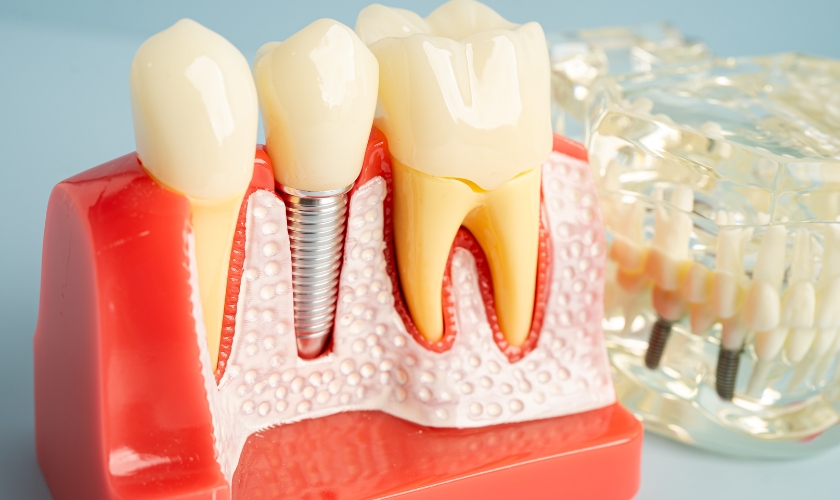
- Dental Implant: Surgically placed in the jawbone, preserves bone density, does not involve neighboring teeth
- Bridge Advantage: Often completed in fewer appointments, good option when adjacent teeth already need crowns
- Implant Advantage: More natural feel, longer lifespan, better for long-term jaw health
Neither option is universally superior. The right choice depends on your bone health, tooth condition, budget, and timeline. Dr. Blake Anderson will walk you through both options honestly so you can choose what fits your life best.
What to Expect at Your Bridge Consultation in Fruitdale
Walking into your first consultation feels much easier when you know what’s coming. Dr. Anderson will start by taking X-rays and doing a thorough examination. This helps him understand the full picture of your oral health before discussing treatment.
You’ll have time to ask all your questions during this visit. No question is too small or too obvious — the team at A Street Dental Grants Pass welcomes every concern you bring. Being prepared with your questions leads to a better appointment and a clearer path forward.
Here’s a quick overview of what typically happens during your consultation:
- Full dental exam including digital X-rays
- Review of your dental and medical history
- Discussion of tooth replacement options available to you
- Explanation of the bridge procedure step by step
- Opportunity to ask all your questions before committing
Leaving with clear answers and a personalized plan makes all the difference. Fruitdale patients are always welcome to schedule a no-pressure consultation with our team.
Take the Next Step Toward a Confident Smile
Asking the right questions before starting treatment is one of the smartest things you can do as a patient. Dr. Blake Anderson and the team at A Street Dental Grants Pass are committed to giving you honest, thorough answers every time. Whether you’re just starting to explore your options or you’re ready to move forward, we’re here to help. Book Now to schedule your appointment with our team.
Frequently Asked Questions
How many teeth can a dental bridge replace?
A traditional dental bridge can replace one to three consecutive missing teeth. The exact number depends on the strength of the surrounding abutment teeth and your overall bite. Your dentist will evaluate your specific situation to determine what’s possible and safe for your mouth.
Will my dental bridge look natural?
Yes. Modern dental bridges are crafted from tooth-colored porcelain or ceramic materials that closely mimic the look of natural teeth. Dr. Anderson takes care to match the shade and shape of your bridge to your surrounding teeth so the restoration blends in seamlessly.
Can I eat normally with a dental bridge?
Most patients return to a normal diet after their bridge is fully cemented and any initial soreness fades. It’s best to avoid extremely hard or sticky foods that could put excessive stress on the bridge. Chewing on both sides of your mouth evenly also helps the restoration last longer.
How do I clean under a dental bridge?
Cleaning under a bridge requires a bit of extra effort compared to natural teeth. Floss threaders, interdental brushes, or a water flosser make it easy to remove plaque and food debris from beneath the bridge. Your dental hygienist can show you the best technique during your next cleaning appointment.
Is a dental bridge permanent?
A dental bridge is a long-term restoration, but it is not necessarily permanent in the same way an implant is. Bridges are cemented firmly in place and are not removed at home. However, they may eventually need to be replaced after many years of wear. With proper care, most bridges last 10 to 15 years or more.