Summer offer · Single dental implant from $4,500 · Click here to learn more

Cosmetic Dental Work Maintenance in Grants Pass, OR | A Street Dental


You invested time, money, and trust into your smile. But the real maintenance secrets dentists don’t always mention about your cosmetic dental work in Grants Pass can make or break how long that investment lasts. At A Street Dental Grants Pass, Dr. Blake Anderson wants every patient to get the full picture — not just during treatment, but long after you leave the chair. This guide covers what truly protects your cosmetic results and what quietly destroys them.
Why Cosmetic Dental Work Needs a Different Kind of Care
Most people assume good brushing is enough. For natural teeth, that works reasonably well. But cosmetic restorations behave differently under pressure, temperature changes, and daily wear.
Dental veneers, bonding, crowns, and bridges all have specific vulnerabilities. Ignoring those vulnerabilities shortens their lifespan significantly. The good news is that small daily habits make a dramatic difference.
Consistent Preventive Dentistry is the foundation of protecting cosmetic work long-term. It isn’t separate from cosmetic care — it’s the backbone of it.
The Habits That Quietly Damage Your Results in Grants Pass
Many patients in Grants Pass are surprised to learn that common daily habits cause the most damage. These aren’t dramatic events — they’re small, repeated actions that add up over time.
Here are the habits most likely to shorten the life of your cosmetic dental work:
- Grinding or clenching your teeth — even during sleep — creates extreme pressure on veneers, crowns, and bonding
- Chewing ice, pens, or fingernails chips porcelain and composite resin faster than almost anything else
- Using teeth as tools — opening packages, bottles, or bags — causes micro-fractures in restorations
- Drinking dark beverages without rinsing stains composite bonding and dulls porcelain over time
- Skipping your night guard if Dr. Anderson has recommended one — this is one of the most overlooked mistakes
Awareness alone won’t fix these habits overnight. But identifying them is the first step toward protecting your results.
What Actually Helps Maintain Cosmetic Dental Work Long-Term
Protecting your smile isn’t complicated — but it does require consistency. Dr. Blake Anderson recommends a straightforward approach that most patients can follow easily.
Start with your toothbrush. Use a soft-bristled brush and non-abrasive toothpaste. Abrasive whitening pastes scratch porcelain surfaces over time. That dullness is permanent without professional polishing.
Flossing matters more than most people realize for restorations. Food and bacteria that accumulate around bridges or crowns can compromise the margins — the edges where the restoration meets your natural tooth. Once those margins break down, decay can form underneath.
Here are the daily and weekly habits that genuinely extend the life of cosmetic dental work:
- Brush twice daily with a soft-bristle toothbrush and non-abrasive paste
- Floss carefully around every restoration — don’t skip it
- Rinse with water after coffee, tea, or red wine
- Wear a custom night guard if you grind your teeth
- Avoid biting into very hard foods like hard candy or crusty bread with front teeth
- Stay hydrated — dry mouth accelerates decay around restoration margins
These steps sound simple. But most patients who experience premature restoration failure skipped at least two of them regularly.
When to Schedule Maintenance Visits — and What Happens During Them
Twice-yearly visits aren’t just about cleaning. For patients with cosmetic dental work, those appointments serve a critical evaluation function. Dr. Anderson checks every restoration at each visit for chips, margin integrity, wear patterns, and early decay.
Catching a small crack early can save a veneer. Missing it for another year often means full replacement. That’s a significant difference in both time and cost.
If you’ve had Root Canal Therapy followed by a crown, that crown deserves extra attention at every visit. Root-treated teeth no longer sense pressure the same way. Problems beneath the crown can develop silently without any pain signal.
Some patients with more complex cosmetic work — including multiple veneers or full-mouth restorations — benefit from three visits per year. Dr. Anderson will recommend the right schedule based on your specific restorations and risk factors.
Protecting Dental Implants, Bridges, and Bonding Specifically
Different cosmetic restorations have different maintenance priorities. Treating them all the same is a mistake that shortens their lifespan unnecessarily.
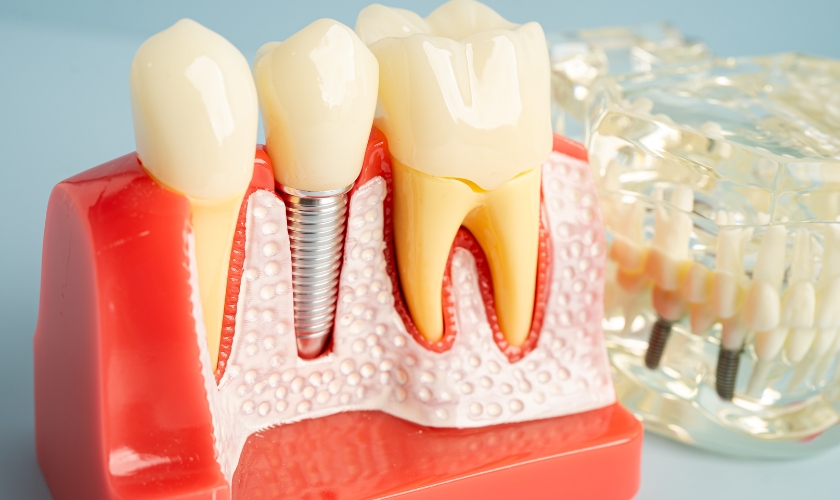
Dental implants require consistent flossing and an implant-safe water flosser to prevent peri-implantitis — an infection around the implant base. Left untreated, this condition causes implant failure.
Dental bridges need floss threaders or interdental brushes to clean underneath the bridge body. Standard floss can’t reach there. Skipping this area leads to decay on the supporting teeth, which can compromise the entire bridge.
Dental bonding is more porous than porcelain. It stains more easily and needs professional polishing every six months to maintain its original appearance. Bonding also chips more readily — avoid biting directly into hard foods with bonded teeth.
Understanding what you have is the first step. If you’re unsure which restorations are in your mouth, Dr. Anderson’s team at A Street Dental Grants Pass can walk you through your full treatment history at your next visit.
Conclusion: Your Smile Is Worth Protecting Every Day
Cosmetic dental work is a long-term commitment — not a one-time event. The patients who get the most from their restorations are the ones who follow through with consistent care, smart daily habits, and regular checkups with Dr. Blake Anderson. Grants Pass residents trust A Street Dental because we don’t just do the work — we help you keep it looking great for years. Book Now to schedule your appointment with our team.
Frequently Asked Questions
How long does cosmetic dental work typically last with proper maintenance?
With consistent care, porcelain veneers last 10–15 years or longer. Dental crowns and bridges typically last 10–20 years. Dental bonding lasts 5–10 years depending on placement and habits. Regular checkups with Dr. Blake Anderson help maximize the lifespan of every restoration.
Can I whiten my teeth after getting cosmetic dental work done?
Whitening products don’t change the shade of porcelain, composite resin, or ceramic restorations. Whitening natural teeth around existing cosmetic work can create noticeable color mismatches. Always consult Dr. Anderson before starting any whitening treatment after cosmetic procedures.
Do I really need a night guard if I have veneers or crowns?
Yes — grinding and clenching create forces far beyond normal chewing. These forces crack and chip veneers and crowns faster than almost any other factor. A custom night guard from A Street Dental Grants Pass protects your investment while you sleep.
What should I do if a veneer or crown chips or comes loose?
Contact A Street Dental Grants Pass as soon as possible. A chipped veneer or loose crown often requires prompt attention to prevent further damage or decay. Keep the restoration if it comes off completely and bring it to your appointment. Dr. Anderson’s team offers emergency care to address these situations quickly.
How often should patients with dental implants come in for checkups?
Most patients with dental implants benefit from twice-yearly professional cleanings and evaluations. Some patients with a history of gum disease may need more frequent visits. Dr. Anderson will assess your individual situation and recommend the right maintenance schedule for your implants.