828 NE A St, Grants Pass, OR 97526

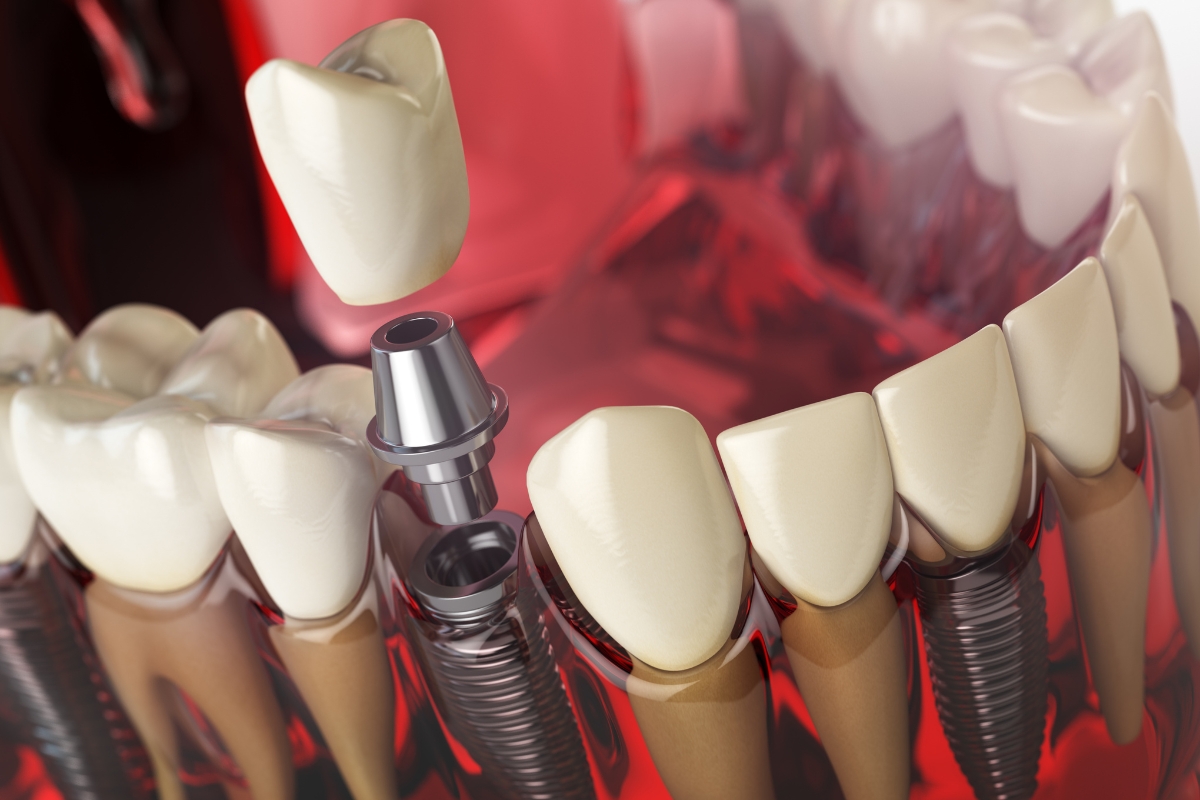
Did you know that a successful dental implant requires a strong foundation? Bone grafting can help provide that essential foundation. When you’re considering dental implants, one of the most important factors for success is the health and quality of your jawbone.
Without adequate bone support, implants may not properly fuse with the bone, leading to complications down the road. That’s where bone grafting comes in. This procedure plays a critical role in ensuring your implants are placed in a stable environment, leading to long-term success.
In this blog, we’ll explain how bone grafting supports dental implants and why it’s so vital to the process.
What is Bone Grafting?
Bone grafting is a surgical procedure that helps restore or regenerate bone tissue in areas where bone loss has occurred. It is often necessary to place dental implants, especially when there isn’t enough healthy bone to support them.
The process involves taking bone material from another part of the body, a donor, or using synthetic materials to stimulate the growth of new bone in the targeted area.
There are several types of bone grafts used in dental procedures:
- Autografts: Bone taken from your own body (typically from the jaw, hip, or tibia).
- Allografts: Bone donated from a cadaver and processed for medical use.
- Xenografts: Bone taken from animals (usually bovine) that has been specially treated to ensure it’s safe for human use.
- Synthetic Bone Grafts: Man-made materials designed to encourage bone growth, often made from biocompatible ceramic or calcium phosphates.
Bone grafting may be necessary for a variety of reasons:
- Bone Loss Due to Gum Disease: Periodontal disease can lead to bone loss around the teeth, which affects the area where implants would be placed.
- Tooth Loss: When teeth are extracted, the bone in that area may begin to shrink or degrade over time.
- Injury or Trauma: Accidents or injuries can result in bone loss that requires reconstruction.
- Aging: As we age, our body’s ability to regenerate bone tissue naturally diminishes, which can result in weakened jawbones.
The Connection Between Bone Grafting and Dental Implants
When a patient is considering dental implants in Grants Pass, one crucial factor for success is the health and density of the jawbone. Without enough healthy bone, implants cannot be securely placed. That’s where bone grafting comes in. It rebuilds the bone structure, ensuring a stable and solid foundation for dental implants.
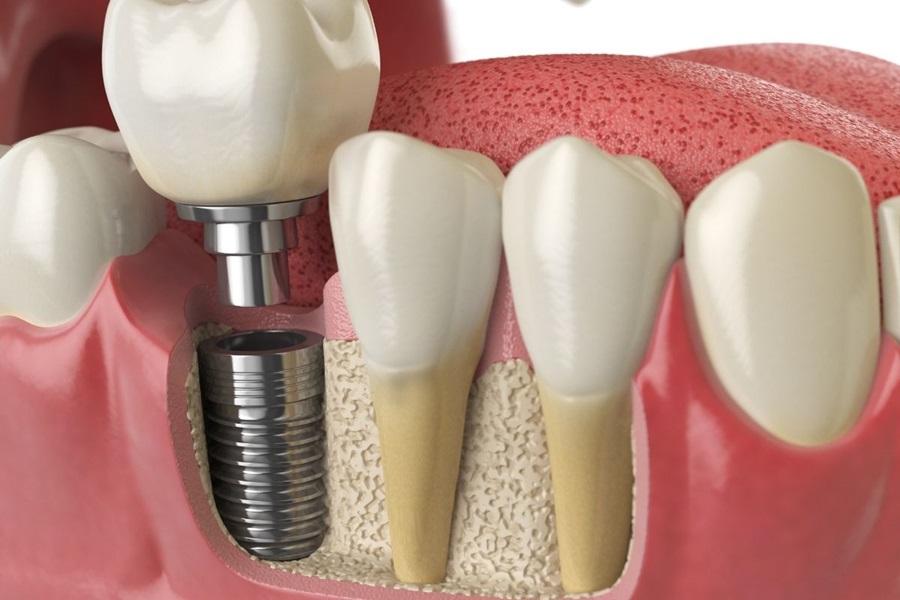
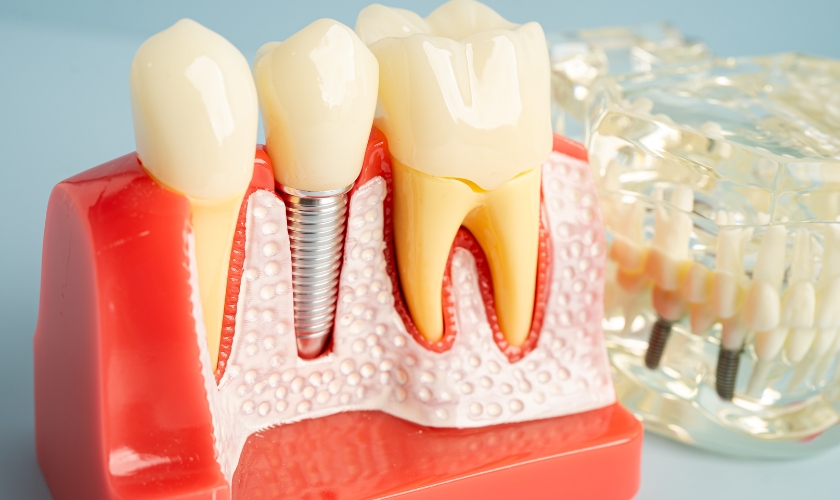
The connection between bone grafting and dental implants is straightforward: dental implants need to be anchored into the jawbone, and bone grafting helps to enhance the quantity and quality of that bone. In some cases, the jawbone may be too thin or weak to support an implant. Bone grafting adds volume and encourages new bone growth in the area, creating a stronger base for the implant.
The quality of the bone also plays a vital role. A dense, healthy bone is better able to integrate with the titanium implant, a process known as osseointegration. Bone grafting supports this process by providing a more robust, dense area for the implant to fuse with, ultimately leading to a more successful and durable result.
Additionally, patients with inadequate bone density are more likely to face complications during the implant procedure, such as the implant shifting or becoming unstable over time. With bone grafting, these risks are greatly minimized, ensuring that your implants heal properly and last longer.
Source: Smile on You and Blessed Smile Dentistry
When is Bone Grafting Required for Dental Implants?
Bone grafting is often required before a dental implant can be placed in several scenarios. Here are some common instances when bone grafting may be necessary:
- Insufficient Bone After Tooth Loss: When a tooth is lost or extracted, the bone in that area begins to shrink. This is because the bone is no longer stimulated by the tooth’s root. Without sufficient bone, there is no solid foundation for implants.
- Jawbone Erosion: Conditions such as gum disease, tooth loss, or trauma can cause jawbone erosion, making it difficult to place dental implants without additional bone support.
- Sinus Lift Procedure: In the upper jaw, the sinuses are located just above the back teeth. If the bone in this area has deteriorated, a sinus lift procedure may be needed along with bone grafting to add bone to the upper jaw for implant placement.
- Inadequate Bone Height or Width: Sometimes, the remaining bone may be too thin or short to support implants. Bone grafting helps rebuild the bone to the right height and width.
To determine if bone grafting is needed, your dentist will conduct a thorough evaluation. This often includes taking X-rays or a 3D CT scan to assess the health and density of your jawbone. The diagnostic process will help your dentist create a treatment plan tailored to your specific needs.
The Bone Grafting Process
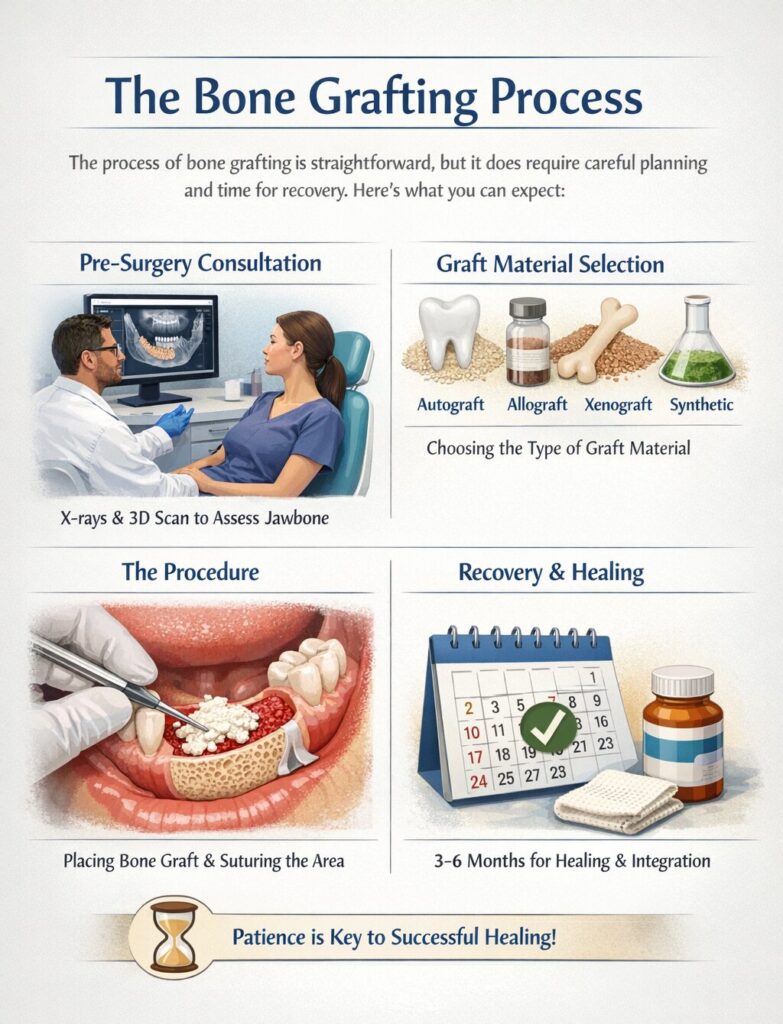
The process of bone grafting is straightforward, but it does require careful planning and time for recovery. Here’s what you can expect:
- Pre-Surgery Consultation: During your initial consultation, your dentist will assess the condition of your jawbone and determine if bone grafting is needed. They may take imaging tests such as X-rays or a 3D scan to get a clear view of the bone structure.
- Graft Material Selection: The next step is choosing the type of graft material. Based on your needs and preferences, your dentist will recommend the best option—whether it’s autograft, allograft, xenograft, or synthetic material.
- The Procedure: The bone grafting procedure is typically performed under local anesthesia. The dentist will make a small incision in the gum tissue to access the jawbone and then place the bone graft material into the area that requires rebuilding. The incision will then be sutured closed.
- Recovery and Healing: After the procedure, your dentist will provide aftercare instructions to ensure proper healing. Typically, it takes between 3-6 months for the bone graft to heal and integrate with the existing bone, depending on the type of graft and the individual’s health.
While bone grafting is a routine procedure, it does come with some risks, such as infection, swelling, or graft failure. Your dentist will monitor your progress and provide follow-up care to ensure the graft heals as expected.
Benefits of Bone Grafting for Dental Implants
The key benefits of bone grafting are critical to the long-term success of dental implants in Grants Pass:
- Improved Implant Stability: Bone grafting ensures that there is enough healthy bone to securely hold the dental implants, making the overall process more stable and predictable.
- Enhanced Long-Term Outcomes: By supporting the bone structure, grafting helps ensure the implants will remain in place for many years to come, reducing the risk of failure.
- Prevents Further Bone Loss: When bone loss is addressed early, it can prevent further degradation in the area, leading to better long-term oral health and stability.
What Happens if Bone Grafting Isn’t Done?
Proceeding with dental implants without the support of bone grafting can lead to several risks and complications, including:
- Implant Failure: If there isn’t enough bone to anchor the implant, it can fail to integrate properly, leading to discomfort and potential need for removal.
- Shifting Implants: Without a stable foundation, the implant may shift, affecting both function and appearance.
- Long-Term Problems: Over time, insufficient bone can cause problems such as gum recession, loose implants, and even additional bone loss, requiring further procedures.
By opting for bone grafting, you ensure that your implants are placed in the best possible conditions for long-term success.
What to Expect After Bone Grafting Surgery
After bone grafting surgery, recovery is essential for successful integration of the graft. Here’s what to expect during recovery:
- Pain and Swelling: Some pain and swelling are normal after the procedure. Your dentist will recommend pain medication and ice packs to minimize discomfort.
- Oral Hygiene: Maintaining good oral hygiene is crucial during recovery, but care should be taken not to disturb the surgical site. Your dentist will guide you on how to clean the area gently.
- Follow-Up Appointments: Regular follow-up visits will be scheduled to monitor the healing process and ensure the graft is integrating well with the existing bone.
Bone grafting plays a crucial role in the success of dental implants by ensuring a stable foundation for proper placement. It improves the quality and quantity of bone in the jaw, allowing for long-lasting and effective implants.
If you’re considering dental implants and think bone grafting may be necessary, consult with your dentist at A Street Dental Grants Pass to discuss your options. Our team is here to help you achieve the smile you deserve—contact us today to learn more about how bone grafting can support your dental implant journey.
What People Want to Know
Why is bone grafting necessary before dental implants?
Bone grafting is necessary when there isn’t enough bone to securely anchor a dental implant, ensuring long-term stability and success.
How long does bone grafting take to heal?
It typically takes 3-6 months for bone grafts to heal, allowing time for the new bone to integrate with the surrounding tissue.
How soon can I get dental implants after bone grafting?
After bone grafting, it usually takes 3-6 months for the bone to heal and integrate, after which dental implants can be placed.
Can bone grafting prevent further bone loss?
Yes, bone grafting helps regenerate bone in areas of loss, preventing further deterioration and preserving jaw structure.
How do I care for my mouth after bone grafting?
Follow your dentist’s instructions for pain management, avoid disturbing the graft site, and maintain good oral hygiene to promote healing.