828 NE A St, Grants Pass, OR 97526

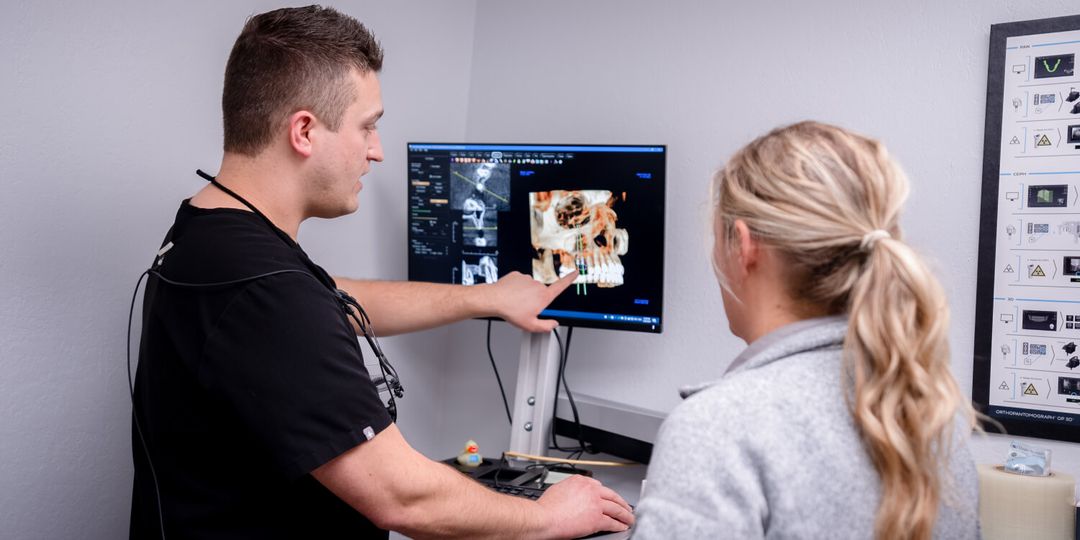
Did you know that dental X-rays are essential tools in diagnosing oral health issues, but many people still have concerns about the radiation involved? While it’s natural to be cautious about radiation exposure, it’s important to understand that dental X-rays play a crucial role in maintaining oral health.
These imaging techniques allow dentists to detect problems that are not visible to the naked eye, such as cavities, gum disease, infections, and even bone loss. Despite their importance, dental X-rays often spark questions about safety, particularly concerning the radiation they emit.
In this blog, we’ll dive into the essential facts about dental X-ray radiation, dispelling myths and providing the information you need to feel confident during your next visit to your dentist. We’ll explore how X-rays work, their safety measures, when they are needed, and why they’re vital to your oral health.
What Are Dental X-Rays?
Dental X-rays, also known as radiographs, are a diagnostic tool used by dentists to capture images of your teeth, gums, and bones. They help reveal issues that cannot be seen during a routine visual examination.
Through the process of using a small amount of radiation, these X-rays allow a Grants Pass dentist to gain detailed insights into the condition of your mouth, guiding them in the diagnosis and treatment planning.
Types of Dental X-Rays
There are several different types of dental X-rays, each serving a unique purpose:
- Bitewing X-rays: These are commonly used to check for cavities between the teeth and to monitor the health of the bone around the teeth.
- Periapical X-rays: These images focus on one or two teeth, capturing both the crown and the root, and are often used to identify issues like infections or abscesses at the root of the tooth.
- Panoramic X-rays: These provide a broad view of the entire mouth, including the teeth, jawbone, and sinuses. They are particularly useful for assessing issues like jaw fractures or wisdom teeth.
- Cone Beam CT (CBCT): This 3D imaging technology provides detailed images of the teeth, bones, and soft tissues, helping dentists in complex cases, such as planning dental implants.
Why Are Dental X-Rays Necessary?
Dental X-rays allow your dentist to identify oral health issues before they become more serious. Problems like cavities, gum disease, infections, or even oral cancers can be detected early through X-rays, ensuring that treatment is provided promptly. Without these images, certain conditions may go undetected, potentially leading to more complicated and costly treatments later on.
For instance, cavities that develop between teeth or below the gumline are often invisible to the naked eye. Regular dental X-rays are essential for catching these issues before they escalate into more severe dental problems.
How Dental X-Rays Work
Basic Mechanics
Dental X-rays function by using a small amount of radiation to create detailed images of the inside of your mouth. During the procedure, the X-ray machine emits a beam of radiation that passes through your teeth, gums, and surrounding structures.
The radiation is absorbed differently by various tissues, depending on their density. Hard tissues like teeth and bone absorb more radiation, while soft tissues like gums and nerves absorb less.
This difference in absorption creates a contrast that is captured by the X-ray film or digital sensor placed inside your mouth. The result is a clear image showing both the visible and hidden aspects of your dental structures.
The process is quick and typically takes just a few seconds to capture the necessary image. The X-ray machine is focused on specific areas of the mouth, allowing dentists to examine teeth, gums, and bones in great detail, detecting problems such as cavities, infections, or alignment issues.
Role of Radiation
Radiation is an essential component of the X-ray process, but it’s important to understand how it works and why it’s safe when used properly. The amount of radiation used in dental X-rays is very low and targeted to specific areas of the mouth, so it doesn’t cause harm.
Radiation passes through the body and interacts with the tissues, creating an image on the X-ray film or sensor. For dental X-rays, this exposure is minimal, less than the amount of radiation we naturally encounter in daily life from the environment.
Thanks to modern technology, such as digital X-rays, the amount of radiation has been further reduced. Digital sensors are highly sensitive and produce detailed images with less radiation than traditional film X-rays. This means that dental X-rays, when used correctly, are a safe and effective diagnostic tool for your oral health.
Are Dental X-Rays Safe?
One of the most common concerns patients have about dental X-rays is the potential harm from radiation. It’s understandable to be cautious, but it’s essential to remember that dental X-rays are designed to be safe.
Low Radiation Levels
Modern dental X-rays use extremely low doses of radiation. The radiation exposure is so small that it’s equivalent to what you would experience from the environment over the course of a few days. In fact, a single bitewing X-ray exposes you to only about 0.005 millisieverts (mSv) of radiation, much lower than the typical annual exposure of 3 mSv from natural sources.
Safety Measures
To minimize radiation exposure, a professional Grants Pass dentist employs several safety measures. These include:
- Lead aprons and thyroid collars: These are used to shield vital organs, including the thyroid and reproductive organs, from unnecessary radiation.
- Digital X-ray technology: Digital X-rays use less radiation compared to traditional film X-rays, making them a safer option.
- Minimizing the number of X-rays: Dentists only take X-rays when necessary and tailor the frequency based on your dental needs and health history.
Regulatory Oversight
Dental X-ray equipment is highly regulated by health authorities to ensure it meets strict safety standards. This means that every X-ray machine used at A Street Dental undergoes regular inspections and calibration to guarantee it operates at optimal safety levels.
When Are Dental X-Rays Needed?
Not every dental visit requires X-rays. The frequency of dental X-rays depends on a variety of factors, including your age, oral health, and risk factors.
Frequency of X-Rays
For most patients with good oral health, X-rays are not needed during every visit. However, for individuals with a higher risk of dental issues, such as those with a history of cavities, gum disease, or frequent dental problems, X-rays may be recommended more frequently.
For children, dentists may recommend more frequent X-rays due to the constant changes in their growing mouths. On the other hand, adults with healthy teeth and gums may only need X-rays every two to three years.
Guidelines
The American Dental Association (ADA) provides guidelines on when X-rays are needed. For instance, if you are a new patient at A Street Dental, a comprehensive set of X-rays may be taken to establish a baseline and assess your oral health. Regular check-ups may include X-rays based on your dental health and risk factors.
Dental X-rays are an invaluable tool that allows your dentist to diagnose and treat oral health problems effectively and safely. With modern technology and safety measures, the small amount of radiation involved is far outweighed by the benefits of early detection and prevention.
At A Street Dental, we are committed to providing safe and effective dental care. If you have any concerns about X-rays or would like to discuss your dental care plan, we encourage you to schedule a consultation with us today. We are here to help you maintain a healthy, beautiful smile for years to come!
FAQs
How often do I need dental X-rays?
The frequency depends on your oral health and risk factors. For most people, X-rays are needed every 1-3 years, but those with dental issues may need them more often.
How long do dental X-rays take?
Dental X-rays are quick and typically only take a few seconds to capture the necessary images.
Can I get dental X-rays if I’m pregnant?
Generally, dental X-rays are avoided during pregnancy, but if necessary, protective measures (like a lead apron) are used to minimize any risks.
Do I need dental X-rays if I have no dental problems?
Even if you have no visible problems, X-rays are essential for checking for hidden issues like cavities between teeth or bone loss, helping catch problems early.
Can dental X-rays help in detecting oral cancer?
Yes, dental X-rays can sometimes reveal abnormalities in bone structure, which may indicate signs of oral cancer, though additional tests are typically needed for a full diagnosis.