Summer offer · Single dental implant from $4,500 · Click here to learn more

Tooth Discoloration Diagnosis: When Stains Signal Something More Serious And When Whitening is Right

Tooth discoloration crops up rapidly in everyday life. People tend to relate stains to cosmetic issues only. Shocking changes often have deeper implications for oral health. Sudden darker marks are indicative of infection. Slow discoloration into yellow shades uncovers the loss of enamel. Teeth whitening seems like the easier option, but timing needs consideration. Wrong timing creates further problems.
Further, this blog clears doubts with simple guidance where readers learn when stains need attention and when teeth whitening supports a brighter smile.
Understanding Why Teeth Change Color
Types of Tooth Discoloration
Surface stains arise from daily habits. Internal discoloration occurs from bigger changes. Shifting with age appears as the enamel thins. Teeth whitening helps many of these issues.
The Most Common Causes
Food and drinks cause stubborn staining. Tobacco exposure causes tooth darkening to occur very fast. Medication side effects change the tooth’s natural shade. Trauma affects the color from inside the tooth.
Enamel thinning makes the tooth duller. Teeth whitening corrects many of these stains. This treatment is still a preferred choice.
When Tooth Stains Signal Something Serious
Discoloration due to Decay or Infection
Dark spots may indicate decay. Deep color changes may indicate an infection. A single tooth may darken and exhibit a problem. These problems are not corrected by whitening teeth.
Gum Disease and Stains
Gum disease changes tooth color. Inflammation traps bacteria and darkens enamel. Teeth whitening cannot solve gum disease staining.
Warning Signs You Shouldn’t Ignore
Pain signals a more profound problem. Sensitivity can indicate damaged enamel. One dark tooth usually shows internal trauma. Bad breath suggests decay. Swollen gums indicate an infection.
Whitening doesn’t cure these conditions. Only after proper diagnosis, teeth whitening in Grants Pass becomes safe. Teeth whitening also functions more effectively if oral tissues remain healthy.
When Whitening Is the Right Option
Who Is a Good Candidate?
Healthy gums support safe teeth whitening. No active decay means strong results. Surface stains respond very well.
Types of Whitening That Work for Cosmetic Staining
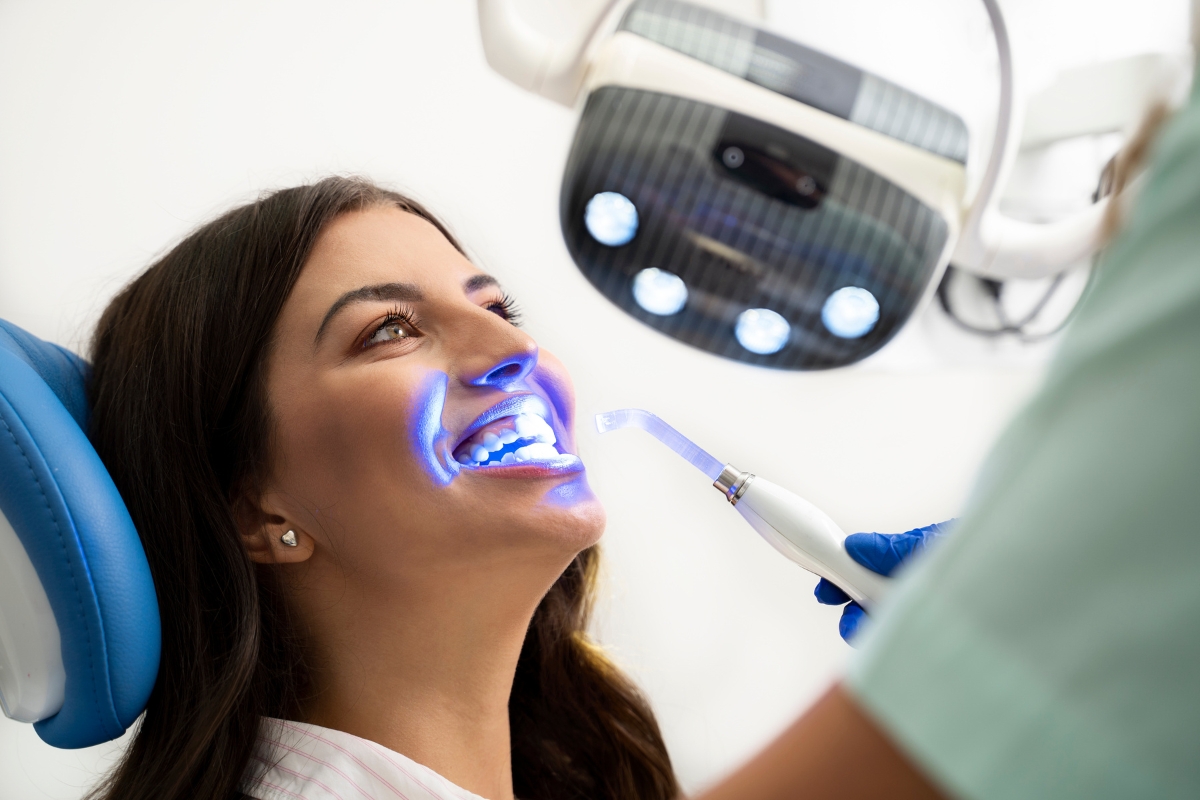
In-office teeth whitening in Grants Pass offers rapid enhancements. At-home trays offer gradual changes. Whitening toothpaste corrects slight surface stains. Some do not help with more serious underlying stains.
Cosmetic needs best suit teeth whitening. When a dentist is involved, teeth whitening is safer. Many people choose teeth whitening for instant confidence.
When Whitening Won’t Work
Intrinsic Stains Requiring Restorative Solutions
Internal trauma stains resist the whitening of normal teeth. Fluorosis gives rise to spots that whitening cannot lift. Deep antibiotic stains need stronger solutions.
Alternatives to Bleaching
Bonding masks stubborn colors, veneers create even shades, and crowns restore both function and appearance. These options work when teeth whitening fails.
Not every stain is a danger signal. Teeth whitening makes many stains fade away easily. Sudden or uneven changes do require professional evaluation, though. Quick action can prevent long-standing problems. Healthy teeth always support better whitening results.
The readers will feel confident about choosing the right path. Indeed, an informed decision leading to safe whitening brings about a brighter smile.
FAQs
What’s the best first step for tooth discoloration?
A dental exam helps identify the root cause before choosing whitening or treatment.
Are natural whitening hacks safe?
Many DIY hacks harm enamel or irritate gums. Always check with a dentist.
How often can I whiten my teeth safely?
Professionally, every 6–12 months, depending on enamel health.
Can whitening worsen a dental problem?
Yes, if used on untreated decay, gum issues, or infected teeth.
Does smoking cause permanent discoloration?
Smoking creates stubborn stains. Whitening helps, but heavy stains may need more care.